
Focus & Attention
Concentrating, following instructions and staying with a task—the foundation of future learning.
Genius Brain is a premium early childhood programme for children aged 6 months to 7 years. It builds focus, thinking, confidence and classroom habits, and shows parents their child’s progress at every step.
See how it works Growing curious minds, one small step at a time.
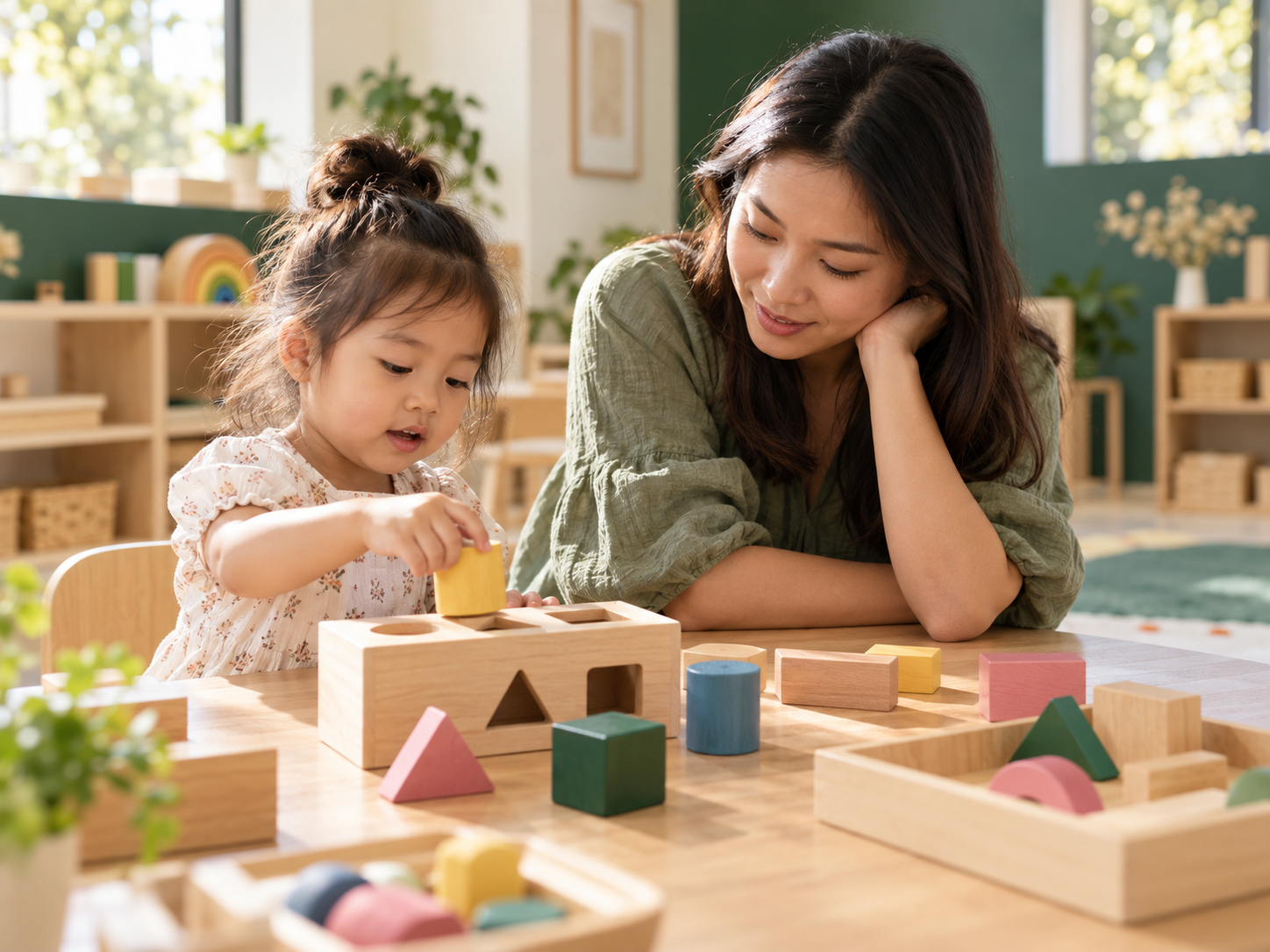
THE GENIUS BRAIN APPROACH
Your child’s early years are a remarkable period of brain development. Research from Harvard’s Center on the Developing Child shows that more than a million new neural connections form every second in the first years of life.
Grounded in early childhood development research, every Genius Brain lesson works on five connected areas together.
Concentrating, following instructions and staying with a task—the foundation of future learning.
Listening, understanding and expressing thoughts and needs with growing confidence.
Recognising patterns, sorting, sequencing, remembering and solving problems.
Balance, body control and hand-eye coordination that support physical confidence and early writing.
Joining in, taking turns, managing feelings and feeling confident in a group.
When these five areas grow together, children build an adaptable foundation for school, new challenges and the future. We build the whole brain.
WHY GENIUS BRAIN
What makes the Genius Brain experience different for children and parents.
Our curriculum is developed in Singapore and follows the structure, progression and high standards of Singapore education.
Singapore-designed. Built for a global future.Every lesson develops all five areas together, building habits children need for a real classroom.
Ready to learn, not simply stimulated.With your consent, video-assisted observation tracks focus, participation, communication and movement over time. Clear progress reports help you see how your child is growing.
Meaningful updates you can understand.PROGRAMMES BY AGE
Six thoughtfully structured programmes grow with your child. Find the stage that fits them today.
Sensory bonding, early attention and parent-child interaction.
Music, rhythm, textures, object tracking, gentle movement, face-to-face interaction and early communication routines.
What parents may noticeMore responsiveness to voices, faces and music, curiosity about objects and textures, and engagement during play together.
Movement, imitation and first language response.
Object permanence games, simple matching, action songs, sensory play, crawling and walking activities, and first-word games.
What parents may noticeMore consistent responses to simple instructions, imitation of actions and sounds, confident exploration and recognition of familiar words.
Structured participation and preschool readiness.
Early attention, sorting, matching, simple memory, colours, shapes, numbers, emotional vocabulary and short phrases.
What parents may noticeMore ease with short activities and class routines, clearer expression of needs, recognition of basic concepts and confidence in groups.
Reasoning, sequencing and confident expression.
Story sequencing, pattern recognition, picture recall, logic games, speaking confidence, early numeracy and social participation.
What parents may noticeExplaining simple ideas, remembering short sequences, describing pictures and interacting more independently with teachers and friends.
School-readiness habits and speaking confidence.
Working memory, listening comprehension, vocabulary, early reading readiness, number sense, spatial reasoning, fine motor control and collaborative learning.
What parents may noticeLonger focus, following multi-step tasks, retelling stories, counting, comparing and handling classroom transitions more easily.
Primary and international school readiness.
Oral expression, comprehension, story creation, mental maths foundations, logical reasoning, project-based problem-solving and presentation confidence.
What parents may noticePresenting ideas, answering questions, reasoning through simple problems and settling more confidently into formal learning environments.
THE LONG VIEW
Attention, self-control, language and social skills shape how children learn at school—and how they approach challenges as they grow.
| Growth area | Today, you see… | At school, this becomes… | In adulthood, this supports… |
|---|---|---|---|
| Focus & Attention | Listening and completing tasks for longer | Following lessons and staying on task | Concentration and self-discipline |
| Language & Communication | Responding and expressing ideas | Reading comprehension and class participation | Clear expression and strong relationships |
| Thinking & Memory | Matching, sorting and problem-solving | Reasoning and approaching unfamiliar questions | Sound decisions and adaptability |
| Movement & Coordination | Balancing, tracing and building | Handwriting, sports and creative work | Physical confidence and hands-on skills |
| Social & Emotional Confidence | Joining in, waiting and sharing | Teamwork, friendships and managing emotions | Collaboration and resilience |
These skills build on each other. Genius Brain develops all five together, so children build one connected foundation.
FOR PARENTS
With your consent, video-assisted observation turns classroom learning into clear progress information in one easy-to-read parent dashboard.
Five-area growth scores
See development across all five areas.
Progress over time
Follow week-by-week and term-by-term trends.
Milestones & learning highlights
Celebrate key moments and new skills.
Teacher insights
Know what your child is working on next and how to help at home.
Video recording is used only with parent consent. Progress data supports learning and teaching only; it is not a medical diagnosis or developmental assessment.
OUR STORY
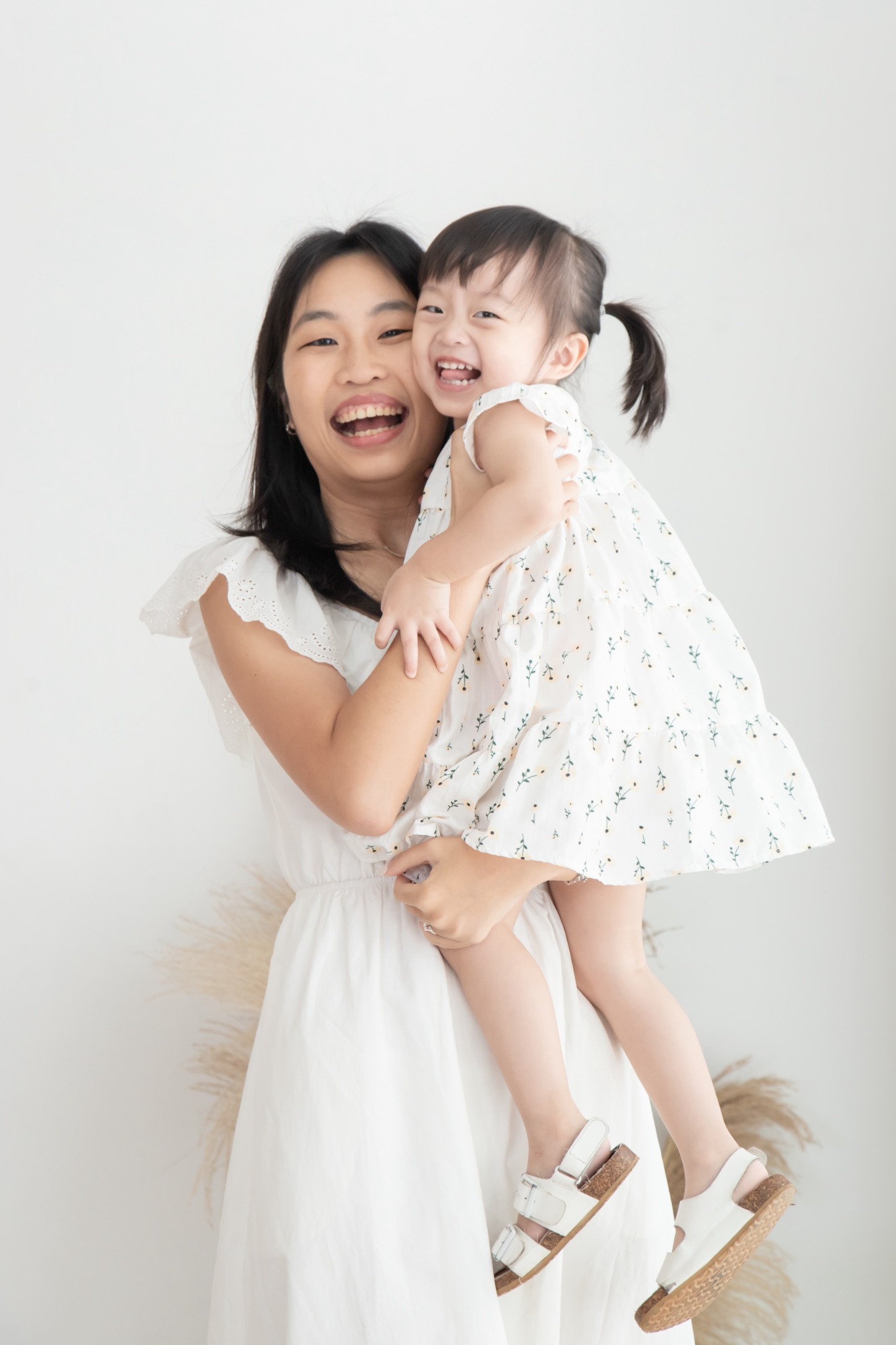
Genius Brain was founded by education entrepreneurs with experience building learning programmes across Southeast Asia.
Co-founder Zhi Hui is the mother of a toddler and manages a student care centre in Singapore. She knows parents want real growth in attention, confidence, communication, curiosity and learning habits.
Designed for parents, by people who are parents.
GOOD TO KNOW
Children from 6 months to 7 years, across six age-appropriate programmes.
Yes, especially for younger children. Guided parent-child interaction is a key part of our early programmes.
Yes. Our programme is grounded in early childhood development research on how focus, language, thinking, movement and social-emotional skills form in the early years.
No. We build early confidence, thinking and classroom habits that support future readiness, but do not promise admission.
The parent dashboard shows growth scores, progress trends and milestones across all five areas.
No. Video-assisted observation is used only with parent consent.
LET’S BEGIN
Book a free trial class and see the Genius Brain difference for yourself.